
Environmental impact assessment
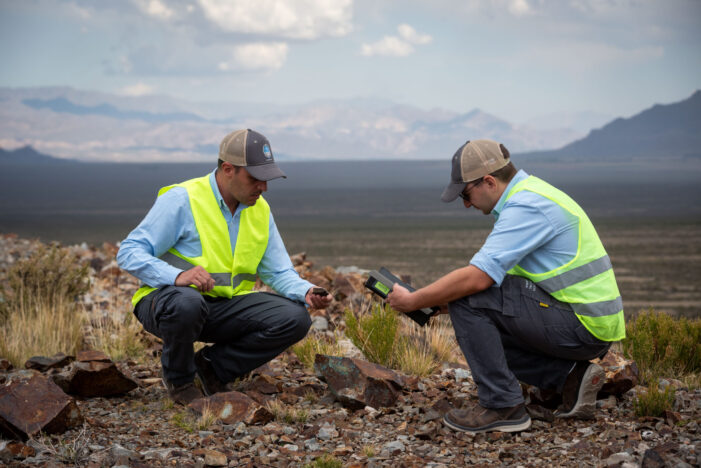
In Argentina, there are two key documents in the environmental assessment of mining projects: Environmental Impact Assessment (EIA) The Environmental Impact Assessment (EIA) is a technical study that any mining company must submit before commencing any activity with a potential environmental impact. This report identifies and evaluates the effects the project may have on the […]
The sustainable mining model
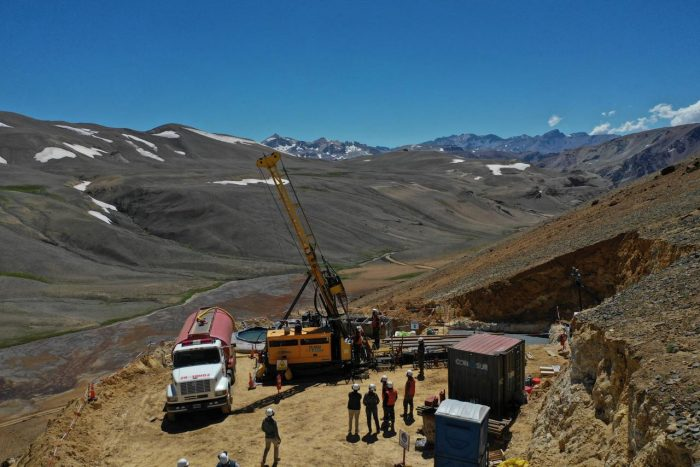
Impulsa Mendoza promotes a sustainable mining model based on the following key principles: Respect for the legal and environmental framework: All mining activities are carried out in strict compliance with current laws, especially Law 7722, which regulates the use of chemical substances in mining processes to protect water resources and the environment. Economic and social […]
What is sustainable development?
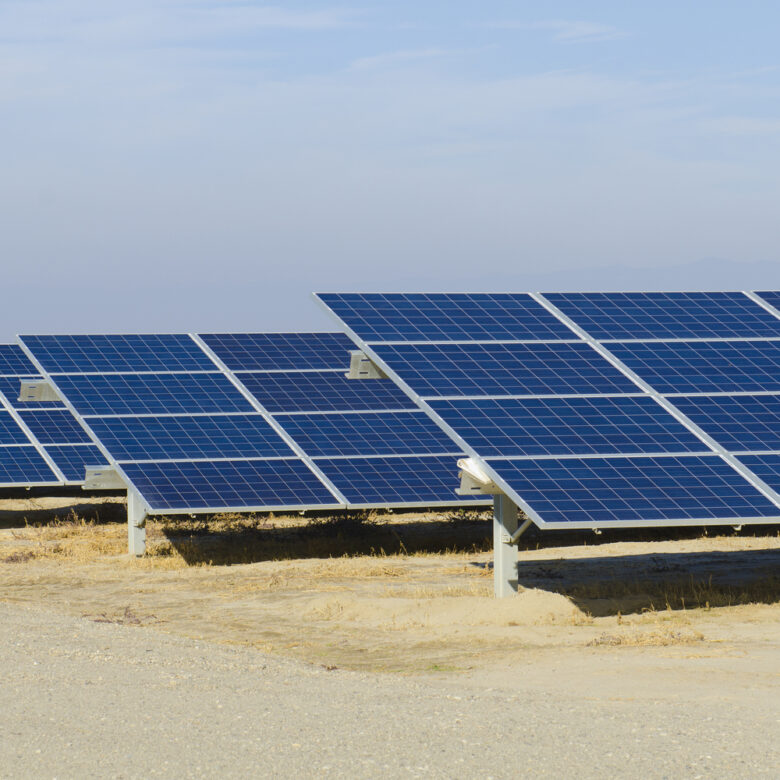
Sustainable development is a growth model that seeks to meet the needs of the present without compromising the resources and well-being of future generations. It is based on a balance between three fundamental pillars: Economic: To promote growth and innovation without depleting natural resources. Social: Guaranteeing the well-being of all people, promoting equity and inclusion. […]
What is exploration?
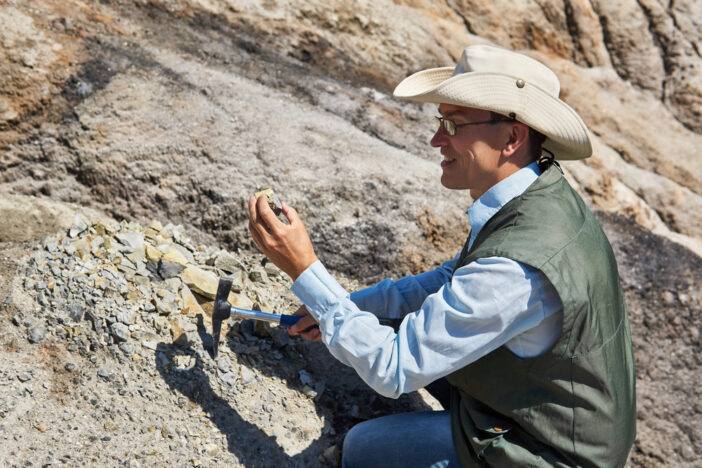
Image source: Freepik. Exploration is the first phase in the life cycle of a mining project and one of the most complex and risky: it’s the stage where cutting-edge technology is used to investigate which minerals are present in a given area, requiring significant investments that carry inherent risks. But this risk is taken because […]
Challenges and opportunities of exploration
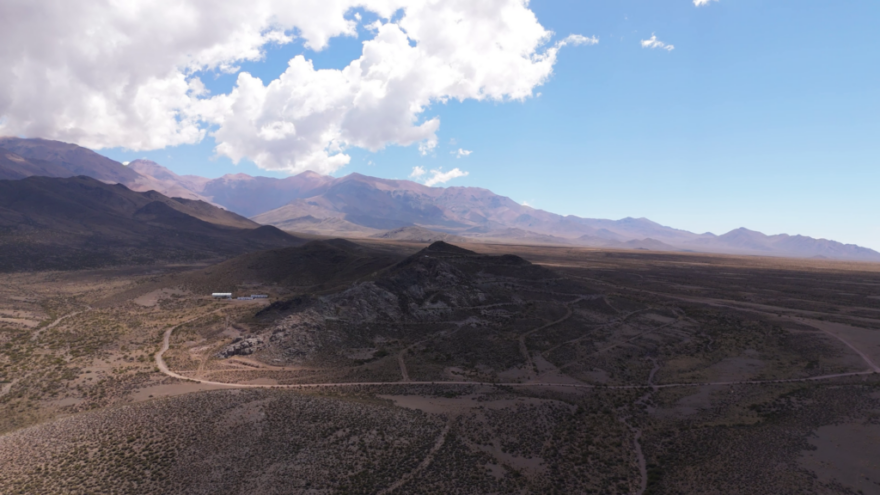
The exploration phase presents constant challenges: in addition to economic risk, we must also consider environmental protection. Therefore, it is a meticulously planned activity, with strict controls and extensive technology. Furthermore, this phase can require years of investment without any guarantee of success, as not all exploration projects result in profitable discoveries. These activities are […]
What does mineral exploration involve?
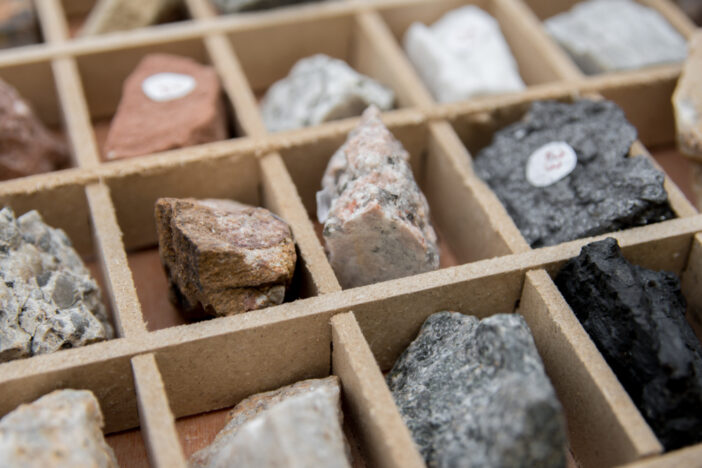
In addition to preliminary studies of flora, fauna, society, and archaeology, companies undertaking explorations carry out several stages: · Prospecting:In this phase, geophysical, geochemical, and geological techniques are applied to identify areas with mineral potential. For example… Geophysics: Methods such as magnetometry, gravimetry, radiometry, and electromagnetism are used to detect variations in the physical properties […]
Minerals
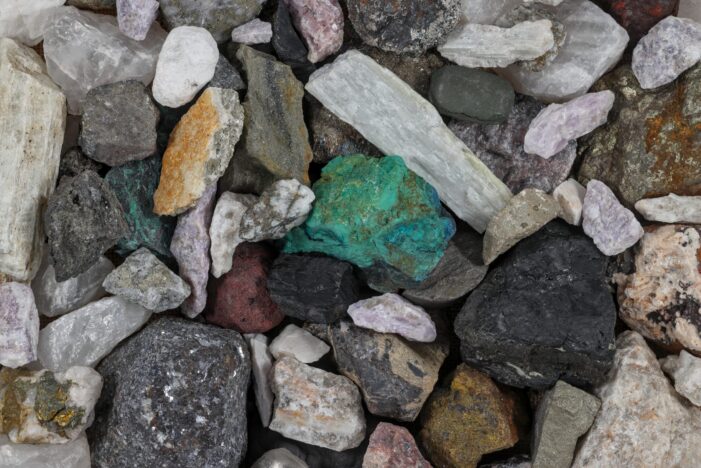
What are minerals and how are they formed? Minerals are the essential elements that make up rocks and are present everywhere: from the ground we walk on to the objects we use every day. To explain how they are formed, it is essential to understand what a mineral is. A mineral is a naturally occurring, […]
The metallogenic belts
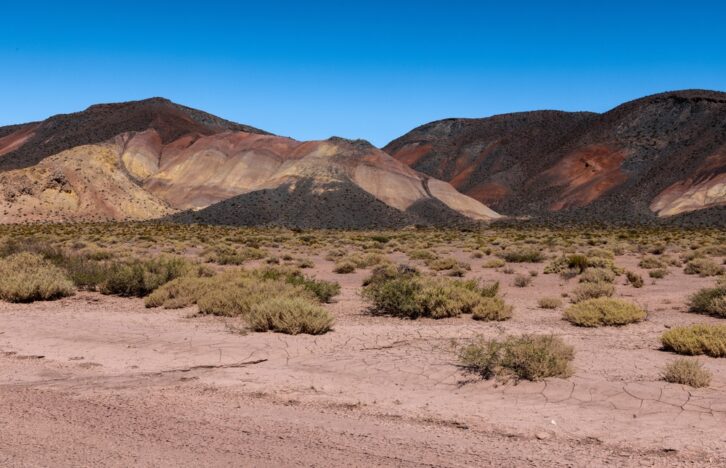
What are metallogenic belts and how many have been identified in Argentina? Metallogenics is the study of the genesis (origin) of mineral deposits in the Earth’s crust, defining their location in time and space within the geological context. Geological events that occurred in specific eras and areas of the Earth’s crust conditioned the formation of […]
How are they classified?

How are minerals classified? Minerals are classified according to their chemical composition and crystalline structure, based on the predominant anion or anionic group. The most common classification includes several groups: Silicates: These contain silicon and oxygen and are the most abundant minerals in the Earth’s crust. Examples include quartz and feldspar. Carbonates: Formed by calcium […]