
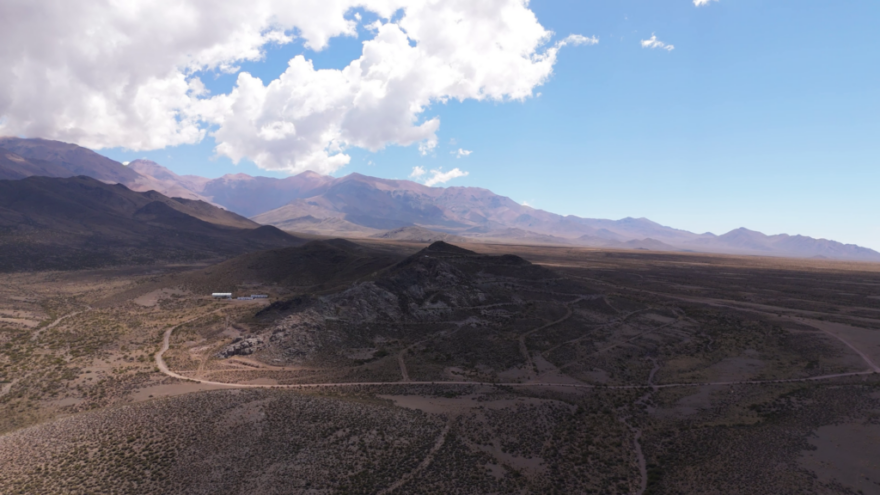
The exploration phase presents constant challenges: in addition to economic risk, we must also consider environmental protection. Therefore, it is a meticulously planned activity, with strict controls and extensive technology.
Furthermore, this phase can require years of investment without any guarantee of success, as not all exploration projects result in profitable discoveries.
These activities are carried out under environmental regulations that prevent soil and water pollution and minimize impacts on biodiversity, with waste management that strongly emphasizes recycling and resource optimization.
To mitigate risks, companies must conduct detailed geological studies, use advanced geological modeling, plan contingencies to enable rapid response to unexpected challenges, involve local communities from the outset, and comply with environmental regulations.
But despite the challenges, exploration opens the door to new possibilities for the production of minerals essential for the transition to clean energy.

This stage allows for:
– Discovery of new deposits: The search for minerals critical to the energy transition, such as lithium or cobalt, presents significant opportunities for both companies and governments seeking to diversify their economies.
– Local economic development: Exploration projects can generate employment, improve infrastructure, and strengthen local economies.
– Technological innovation: Mining drives the development of cutting-edge technologies to improve the efficiency of resource exploration and extraction.
To maximize these opportunities, mining companies must adopt a comprehensive approach that considers environmental sustainability, technological innovation, and the active participation of local communities. This not only helps minimize risks but also increases the chances of long-term success.