
The Directorate of Mining of Mendoza’s Ministry of Energy and Environment is advancing an extensive training and interinstitutional coordination strategy ahead of the full implementation of the Mineral Transit Guide, established under the province’s new Mining Procedure Code and updated tax legislation. The regulation governing Third Category Mines and Mineral Processing Plants is scheduled to fully enter into force on January 5.
The Mineral Transit Guide is considered one of the central tools introduced under Mendoza’s new mining framework. Authorities describe it as a key mechanism for control, oversight, and transparency aimed at guaranteeing the legality of mining activity, preventing irregularities, and ensuring clear and verifiable traceability of minerals and stone materials transported throughout the province.
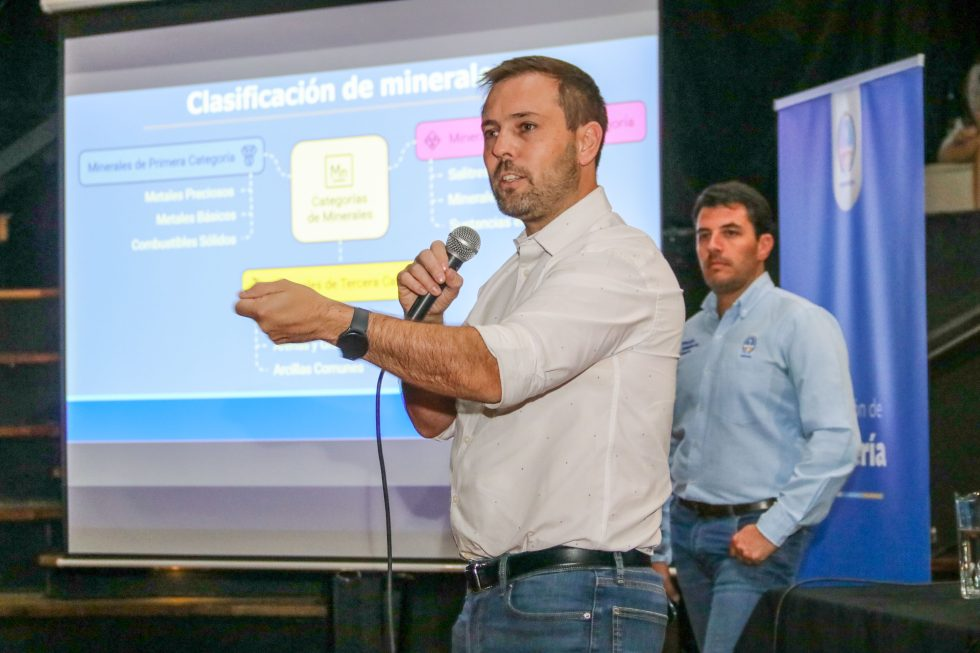
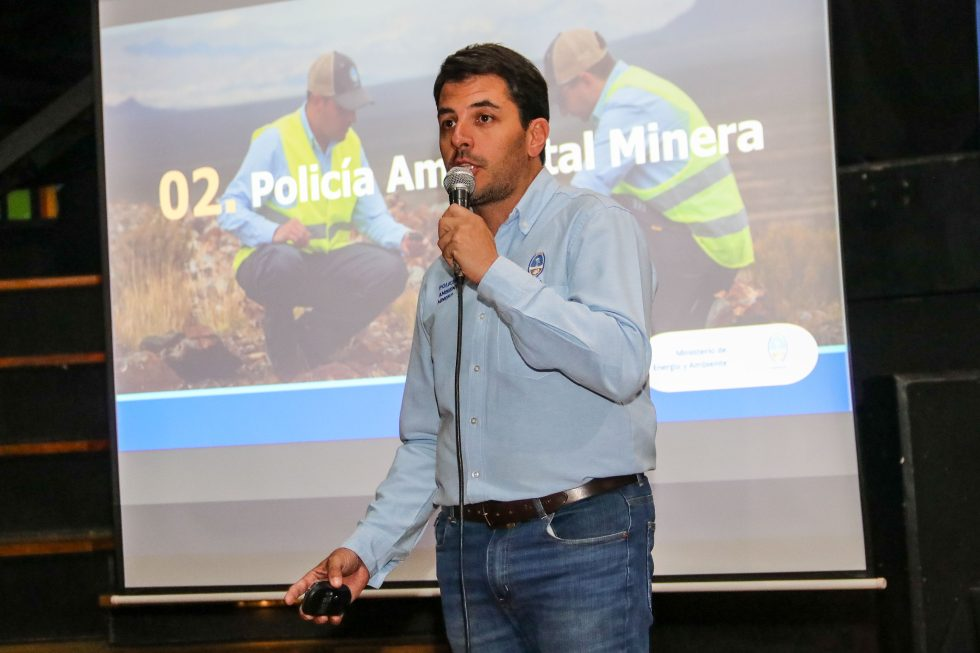
Recent training sessions brought together representatives from most national, provincial, and municipal agencies involved in inspection and enforcement activities across Mendoza. Participants included officers and inspectors from Argentina’s National Gendarmerie, National Highway Directorate, Provincial Highway Directorate, Mendoza Police, the Municipal Urban Guard of Las Heras, Iscamen, the provincial tax authority ATM, EMOP, the Subsecretariat of Labor, and the Mining Environmental Police (PAM), among other agencies.

As part of the information and implementation process, Mendoza authorities will also hold a specialized masterclass on December 23 focused specifically on the Mineral Transit Guide. The session is aimed at mining producers, transport companies, traders, and all stakeholders linked to the mining supply chain. The training will be available both virtually and in person at the headquarters of the Directorate of Mining in order to broaden access and strengthen regulatory compliance.
In parallel, workshops have been conducted in recent weeks for agencies responsible for inspections along national and provincial highways, with the goal of unifying enforcement criteria and strengthening oversight mechanisms across Mendoza’s territory.
“We worked together with public agencies from the national, provincial, and municipal governments linked to mining controls across Mendoza. Personnel from the National Gendarmerie, National Highway Directorate, Provincial Highway Directorate, Mendoza Police, the Municipal Urban Guard of Las Heras, Iscamen, the Subsecretariat of Labor, EMOP, ATM, PAM, and other public agencies responsible for road controls participated in the training,” explained Jerónimo Shantal, Director of Mining of Mendoza’s Ministry of Energy and Environment.
Shantal emphasized that the implementation of the guide is intended to guarantee the traceability and legal origin of minerals transported within the province.
“The guide ensures information traceability and allows us to verify that transported minerals and stone materials originate from environmentally approved mines and correspond to sustainable operations,” he stated.
What Is the Mineral Transit Guide?
The Mineral Transit Guide, introduced under Mendoza’s Mining Procedure Code approved in 2024, is a mandatory document certifying the legitimate origin, possession, transportation, and commercialization of minerals and stone materials within the province.
Its primary purpose is to regulate and control the circulation of minerals by ensuring that every shipment originates from a valid mining right, has been properly declared, and can be identified by authorities at any stage of transportation or commercialization.
All individuals and legal entities involved in the mining supply chain — including producers, transport operators, and commercial traders — are required to obtain the guide. The document is issued by the Mining Authority only to operators registered in the Provincial Mining Producers Registry and after compliance with all regulatory requirements.
The guide includes essential traceability information such as producer and mining-right data, type and quantity of minerals transported, origin and destination, transporter identification, vehicle information, and emergency contact details, among other requirements established by the authority. Its validity expires once the minerals reach their destination or when the declared transport method changes.
The regulation also establishes special provisions for scientific or research samples transported without commercial purposes, as well as internal transport operations carried out within the same mining project without using public roads. Additionally, minerals entering Mendoza with valid transit guides issued by other jurisdictions may circulate through the province without the need to obtain a new local permit.
Authorities also reminded small-scale mining producers that they have until January 5 to regularize their legal status in order to avoid the severe penalties established under the mining regulations.
Through these training initiatives and coordinated enforcement efforts, Mendoza continues advancing a mining policy focused on legal predictability, environmental oversight, operational transparency, and an orderly development framework for the sector.