

The energy transition, the development of new technologies and the expansion of infrastructure networks are driving global demand for critical minerals, particularly copper. This scenario represents an opportunity for countries with geological potential such as Argentina and, especially, Mendoza.
For a project to move from exploration to construction and eventual production, it must demonstrate economic viability, predictability, competitiveness and the ability to manage the risks associated with an industry that requires long-term investment.
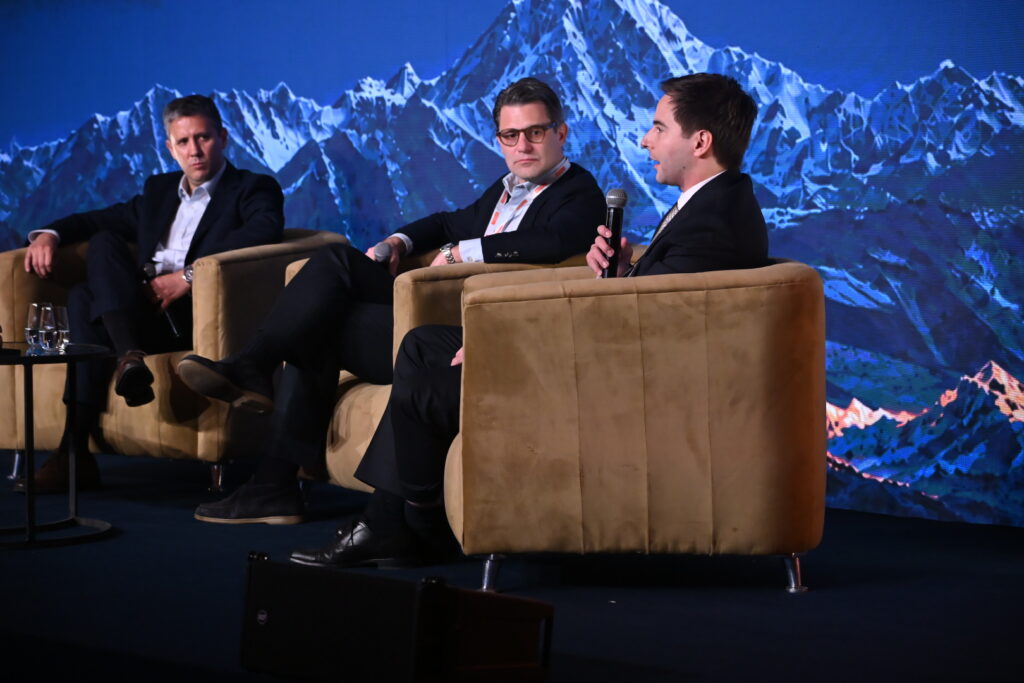
These were some of the main topics discussed during the panel “Financing Mining: The Global Banking Perspective” held as part of the Second Mendoza Sustainable Mining Summit 2026.
Demand for Copper and Critical Minerals Opens a Window of Opportunity
During his presentation, Agustín Perri, a banker specializing in mining, highlighted the growth outlook for global demand for metals such as copper, driven by emerging infrastructure and technology needs.
Argentina’s availability of copper and lithium resources, among other strategic minerals, represents an opportunity to attract investment and develop a new productive sector.
Perri also discussed the Large Investment Incentive Regime (RIGI), which he described as an important tool for providing predictability and security to large-scale, long-term projects. However, he noted that these instruments must be complemented by other conditions that help strengthen international investors’ confidence.
What Do Banks Evaluate Before Financing a Mine?
Joao Auler, Head of Mining for Latin America at UBS Investment Bank, explained that the financial assessment of a mining project involves multiple variables and is not limited to the quality or size of the deposit.
Financial institutions evaluate geological characteristics, cost structures, the track record and management capabilities of the companies developing the projects, production outlooks, and commercial agreements related to the future sale of minerals.
Infrastructure also plays a central role in the assessment. The availability of roads, energy and other facilities required for operations, as well as the possibility of building new infrastructure, directly affect the economic viability of mining ventures.
Another determining factor is the relationship with surrounding communities. For financiers, the ability to establish social conditions that support the long-term development of projects is part of the overall risk assessment.
Auler also focused on production cost competitiveness in the face of international price volatility. Projects with more efficient cost structures are better positioned to maintain profitability under different market scenarios.
In cases where exposure to price fluctuations is higher, commercial agreements and commitments to purchase future production —known as offtake agreements— can serve as tools to mitigate risks and provide greater predictability to revenue streams.
International Capital Markets Remain Open to Argentina
Meanwhile, Gonzalo De Gainza, Director of Structured DCM Americas, analyzed Argentina’s access to international financing and how capital markets operate.
During his presentation, he noted that, despite fluctuations in country risk and external factors influencing investment decisions, the market remains open to bond issuances.
This outlook is particularly relevant for an industry that requires substantial amounts of capital and relies on financial instruments capable of supporting projects over extended periods.
Access to international markets makes it possible to diversify funding sources and expand opportunities to raise capital for mining initiatives, provided that companies can present solid projects and appropriate financial structures.
Mendoza: Critical Mineral Potential and Opportunities to Attract Investment
The international scenario discussed during the panel is directly connected to Mendoza’s mining development opportunities.
The province has significant geological potential in copper, uranium, lithium and potash, minerals with varying degrees of strategic importance for the energy transition, supply security and global supply chains.
Copper stands out due to its use in electrification and new energy infrastructure. In Mendoza, projects such as PSJ Cobre Mendocino, San Romeleo, El Seguro and Cerro Amarillo represent opportunities for exploration and development of this mineral.
Impulsa Mendoza and the Connection with Global Financial Markets
To turn this potential into concrete investments, Mendoza needs to strengthen its ties with major international financial centers and facilitate access to capital for the different stages of the mining life cycle.
The participation of international banking representatives at the Summit brought to Mendoza the perspective of institutions involved in financing major ventures and provided insight into the requirements they consider before committing capital.