
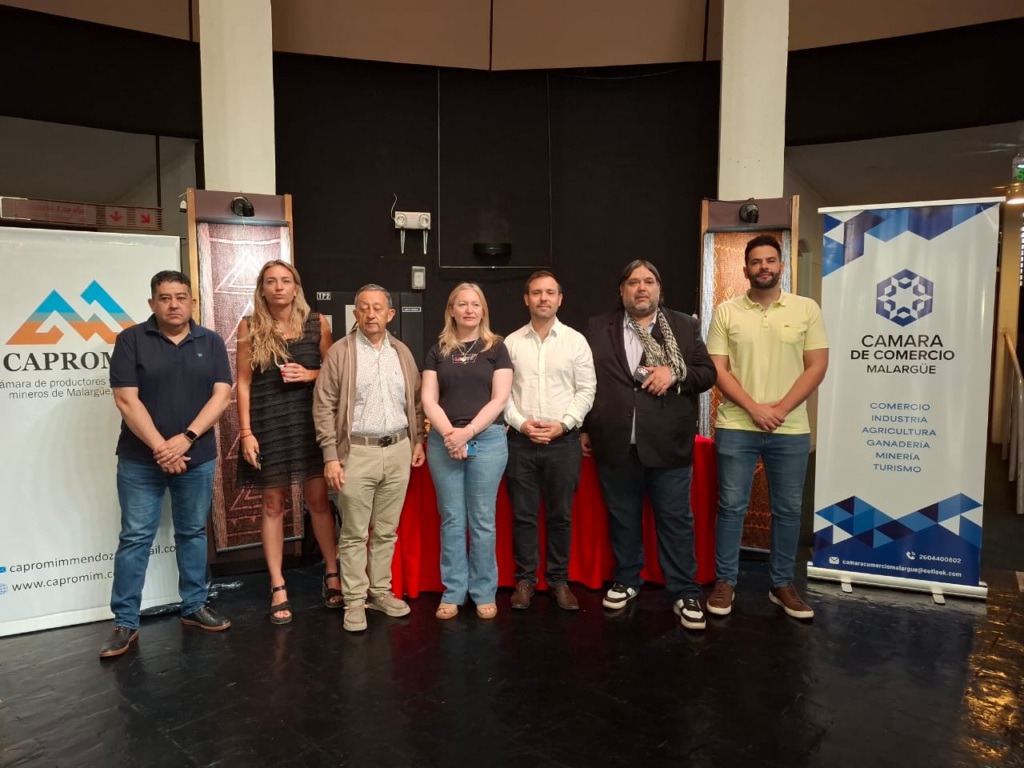
The Public Hearing for the Environmental Impact Assessment (EIA) of the Potasio Cancambria project officially concluded following a hybrid-format session organized by the Mining Environmental Authority. The project is focused on prospecting potassium salt deposits in the department of Malargüe, Mendoza Province.
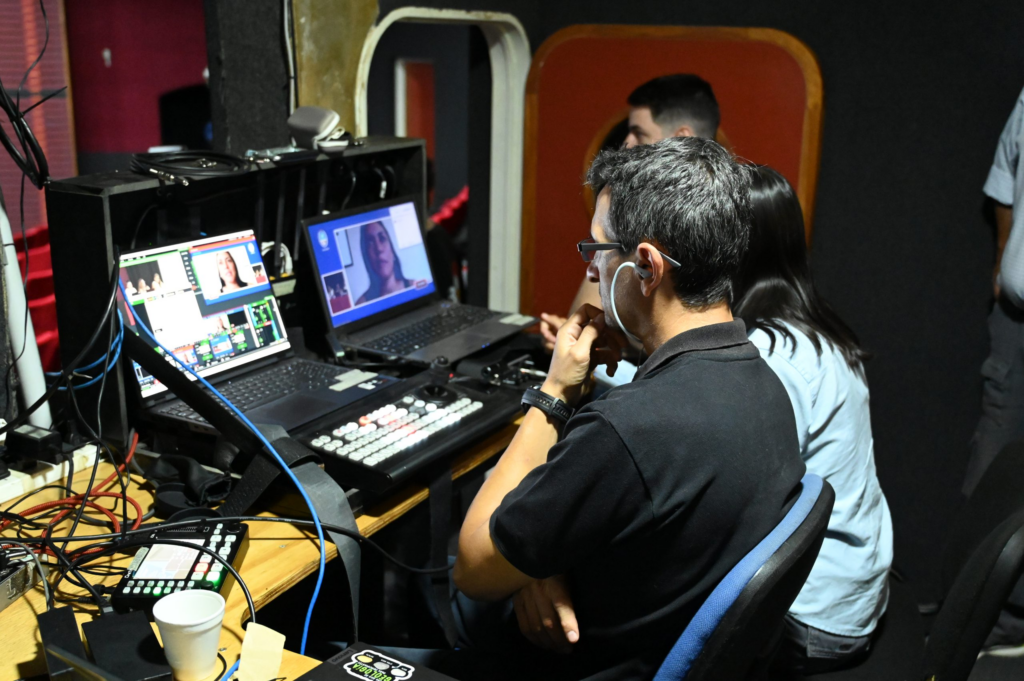
The hearing was held both in person at the Thesaurus Convention and Exhibition Center in Malargüe and virtually through an online platform with live streaming on YouTube, ensuring broad public access and participation. Mendoza Vice Governor Hebe Casado and Malargüe Mayor Celso Jaque attended the event.
During the session, technical, environmental, and administrative aspects of the initiative were presented, along with comments and observations submitted by different participants and institutions involved in the review process.
The opening remarks were delivered by representatives of the Mining Environmental Authority, including Mining Director Jerónimo Shantal and Environmental Management and Enforcement Director Leonardo Fernández. Both officials explained the applicable regulatory procedure, the environmental review framework, and the stages contemplated in the ongoing evaluation process.
At the conclusion of the hearing, Shantal highlighted the strong public support expressed during the event.
“Every speaker who participated voiced support for the project. If the initiative ultimately receives approval — after review by numerous technical agencies and professionals — the company would then be able to move forward with its activities,” Shantal stated.
He also noted that the company behind the project is Canadian and currently operates mining projects in several countries around the world.
“The company has projects in different parts of the world and a concrete interest in advancing mining activities in Mendoza Province,” he added.
Fernández emphasized the importance of citizen participation within Mendoza’s environmental evaluation system.
“These public participation processes help strengthen environmental assessments by increasing transparency and bringing information closer to the community and all interested stakeholders,” Fernández said.
Following the institutional presentations, the project proponent introduced the Environmental Impact Report, which included a detailed description of the project area, proposed exploration activities, identified environmental impacts, and the prevention, mitigation, and monitoring measures planned for the initiative.
All speakers who participated in the hearing expressed support for the project, highlighting its potential contribution to regional economic activity, job creation, and the strengthening of the local supply chain.
According to current regulations, the period for submitting additional written comments and observations will remain open after the hearing. Those contributions will also be incorporated into the administrative review process.
About the Project
The Potasio Cancambria project is designed to evaluate and develop the potassium salt potential in the department of Malargüe through mining activities conducted under environmental oversight and regulatory controls.
At this stage, the initiative seeks to obtain precise technical and environmental information about the deposit through prospecting activities aimed at characterizing the subsurface, identifying the quality and quantity of potassium salts present, and determining the feasibility of advancing to more detailed future stages.
Potassium salts are considered a strategic input for fertilizer production, which plays a critical role in agriculture and food security worldwide. Reliable information regarding the province’s potassium potential could support responsible productive development under strict environmental controls and citizen participation mechanisms established by Mendoza’s mining and environmental regulations.