
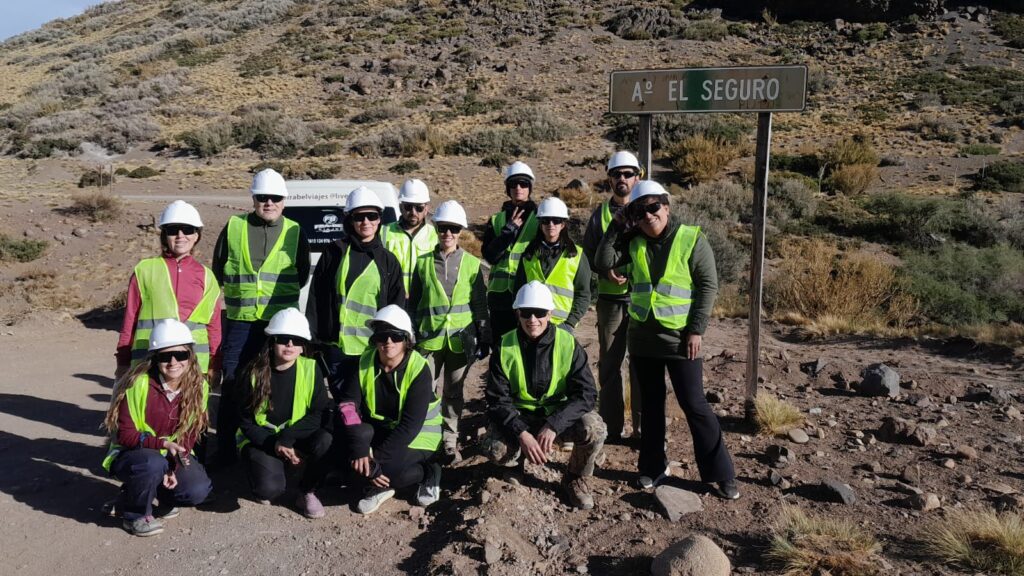
Impulsa Mendoza has published the Logbook of the First Participatory Water Quality Monitoring Program for the El Seguro copper exploration project, located in the Malargüe Western Mining District, making all information generated throughout the process publicly available and establishing a new transparency tool for environmental monitoring of mining projects across the province.
The publication brings together the monitoring methodology, fieldwork activities, sampling and measurement procedures, and the laboratory results obtained from the water samples collected during the campaign.
“Transparency is not achieved simply by publishing results. It is built by opening up processes, inviting communities to participate, and making technical information clear and accessible. That is the approach we want to strengthen as we continue contributing to the development of a modern and sustainable mining industry in Mendoza,” said Sebastián Piña, CEO of Impulsa Mendoza.
With the publication of this report, Impulsa Mendoza reaffirms its commitment to public access to information, citizen participation, and transparent environmental processes, helping strengthen trust between mining projects, local communities, and public institutions.
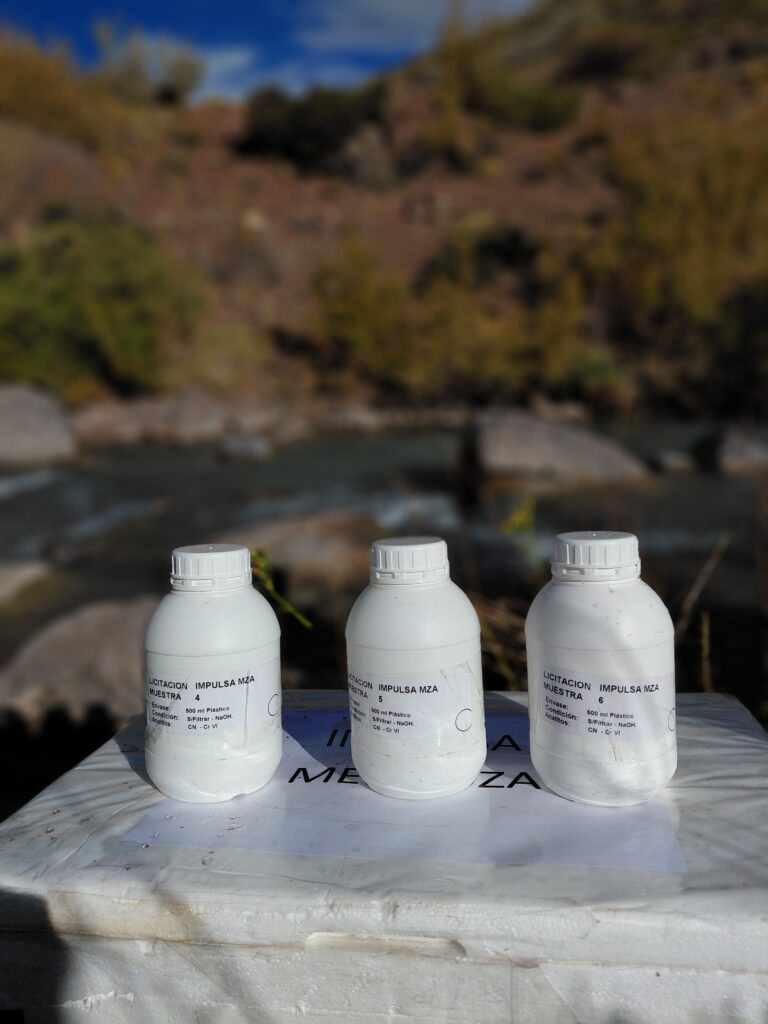
Monitoring Results
The water samples collected during the campaign were analyzed and compared against the reference values established in Annex IV of Argentina’s National Law No. 24,585, which sets water quality standards for different uses of water resources.
Overall, the results indicate that the water quality of the monitored surface streams falls within the expected conditions for this type of mountain environment.
The analyses also detected concentrations of certain naturally occurring elements, including arsenic, beryllium, lead, silver, and zinc. Their presence is consistent with the area’s natural geological characteristics, as both Pachico Creek and El Seguro Creek flow through naturally mineralized rock formations capable of releasing these elements into the water. The findings are therefore associated with the region’s geology and are not related to mineral exploration activities.
The information collected establishes the project’s environmental baseline, providing a record of existing water quality conditions before exploration activities take place. This baseline will serve as the reference for future monitoring campaigns, allowing objective comparisons over time to verify whether environmental conditions remain stable or show any changes.
All documentation generated during the monitoring process, including laboratory reports, forms part of the project’s environmental file and is available for public review.
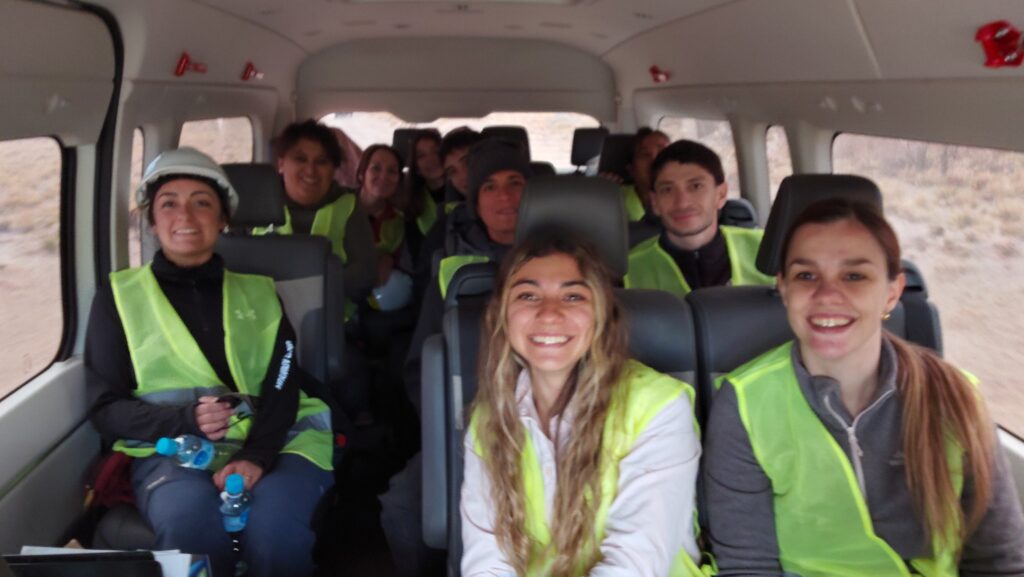
An Open and Participatory Process
The publication of this report marks the completion of a multi-stage process designed to strengthen transparency and encourage public participation in environmental monitoring of mining projects.
The initiative began with an open call inviting local residents and stakeholders interested in taking part in the monitoring program. Selected participants then received technical training before joining regulatory agencies and specialized technical teams during the field campaign, where water measurements and sampling were conducted at Pachico Creek and El Seguro Creek.
The laboratory analyses carried out afterward made it possible to prepare the technical report that is now available to the public.
The Logbook of the First Participatory Water Quality Monitoring Program for the El Seguro Project can now be viewed and downloaded through Impulsa Mendoza’s official channels.
The El Seguro Project Environmental File can also be accessed here.
The complete monitoring report is available at this link.