
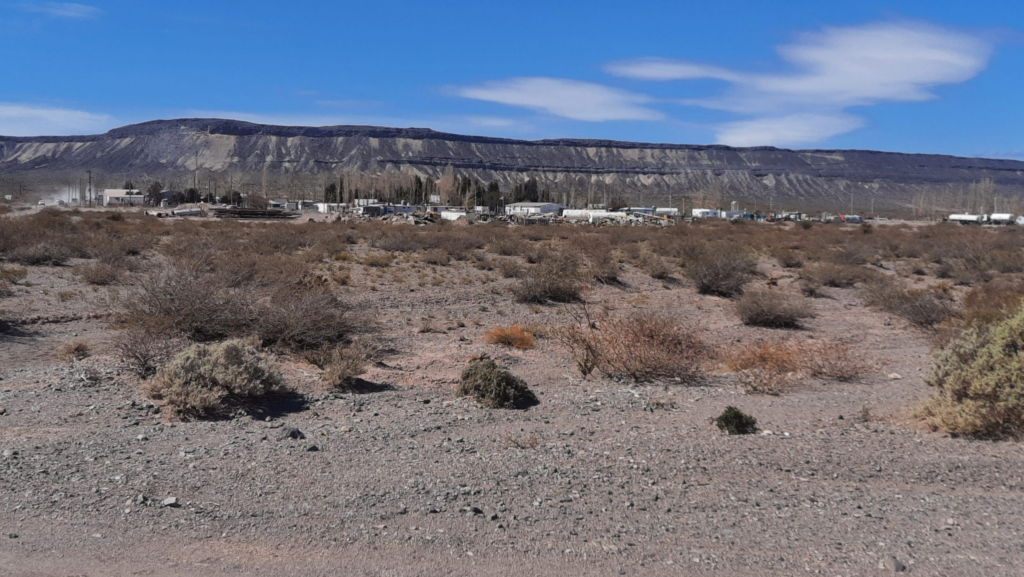
The Mining Environmental Authority (AAM) — composed of the Mining Directorate and the Environmental Management and Oversight Directorate of Mendoza’s Ministry of Energy and Environment — approved the Environmental Impact Declaration (EID) for the prospecting stage of the Potasio Cancambria potassium salts project in the department of Malargüe.
The initiative focuses on the exploration of sylvinite, a potassium salt widely used in fertilizer production. This mineral plays an essential role in crop nutrition by improving plant growth, strengthening resistance to adverse conditions and contributing to food quality.
“Its importance goes beyond the local level, since potassium is one of the three basic nutrients required for global agriculture and, unlike other inputs, it cannot be artificially produced but must instead be extracted from specific geological formations,” explained Mining Director Jerónimo Shantal.
The advancement of the project in Malargüe represents not only the study of a natural resource, but also the generation of knowledge about a key input for global food security.
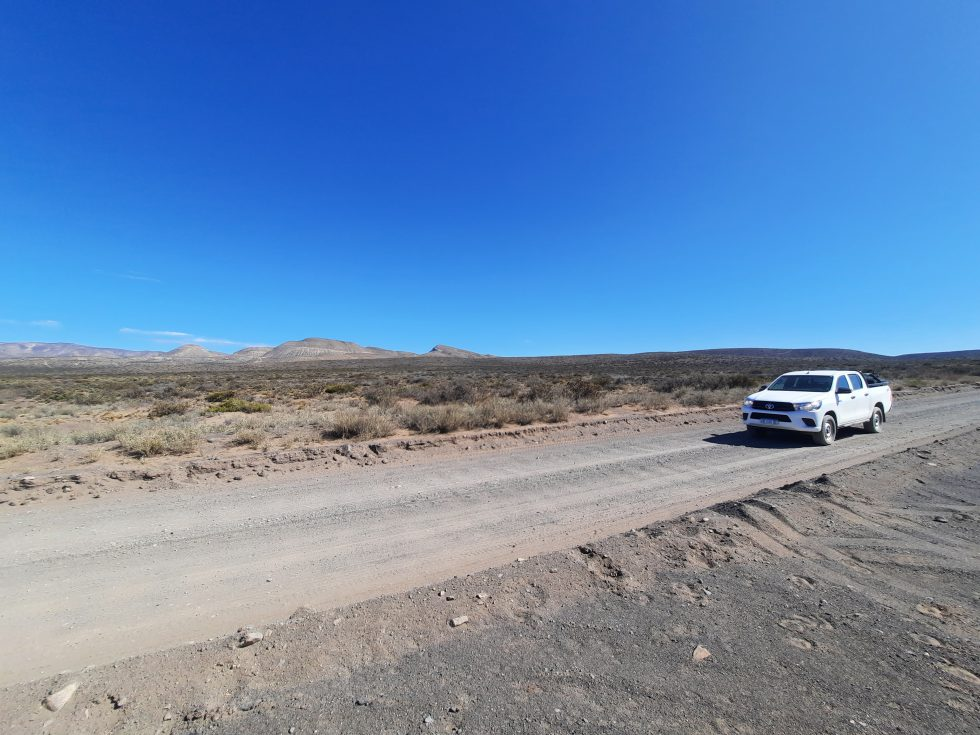
An Initial Stage Focused on Resource Assessment
The approval granted by the Mining Environmental Authority authorizes only prospecting activities, meaning limited technical studies aimed at characterizing the underground resource. This initial phase does not include mining exploitation or large-scale interventions, but rather controlled work designed to evaluate the quality and quantity of available potassium resources.
These studies form the basis for any future development, as they allow informed decisions to be made based on concrete data. Should the project advance into subsequent stages, additional environmental and administrative evaluation processes will be required in accordance with existing regulations.
The Environmental Impact Declaration was granted after verifying full compliance with the evaluation procedure established under Provincial Law 5961 and its Regulatory Decree 820/06. This regulatory framework requires all mining activities to be assessed according to environmental protection criteria, transparency, citizen participation and sustainable development standards.
A Technical, Legal and Participatory Process
In February, the Mining Environmental Authority submitted the final Circumstantial Report corresponding to the Environmental Impact Assessment procedure for the project. This document compiles in detail all administrative, technical and participatory actions carried out throughout the evaluation process.
The report includes technical and sector-specific opinions, the participation of specialized institutions such as the School of Applied Sciences to Industry of the National University of Cuyo, and the complete record of citizen participation activities. It also guarantees public access to all documentation, ensuring transparency, traceability and public oversight at every stage of the process.
The Public Hearing, held on December 20, 2025, in a hybrid format — both in person at the Thesaurus Convention and Exhibition Center in Malargüe and virtually through a live broadcast — represented a key milestone in the process. A total of 81 people registered to participate and 37 speakers addressed the hearing, with all presentations expressing support for the project and no objections recorded.
During the hearing, contributions from community members and different sectors converged around three main themes: the project’s potential to generate employment and economic activity in southern Mendoza, the strategic importance of potassium for agriculture, and the need to maintain rigorous environmental controls throughout all stages of development.
Participants also highlighted the nature of the evaluated phase, emphasizing that it involves only initial, limited and State-regulated activities focused exclusively on obtaining geological information.
The project will be required to operate under a permanent monitoring framework that includes inspections, technical oversight and the obligation to report any modifications to the evaluated conditions. In addition, the Environmental Impact Declaration must be periodically updated to incorporate progress and any changes that may arise during the project’s development.